Autumn in Ulju: Boksoondoga Hand-crafted Makgeolli from Old Earthenware Jars
Autumn in Ulju, when pears ripen and Eonyang hanu bulgogi comes to mind: Boksoondoga Hand-crafted Makgeolli, brewed with Korean rice in jars over 50 years old, with natural carbonation rising from the bottle; and Ganwoljae, filling with silver grass.
In late September 2026, Ulju is in the season of ripening pears and gathering around a charcoal grill. According to the Rural Development Administration, the harvest season for mid-season pears runs from mid-September to mid-October, and Eonyang and Bonggye were designated Korea's only hanu (Korean beef) bulgogi special zone in 2006. Amid all this, Sangbuk-myeon is home to a brewery that makes its liquor with Korean rice and old earthenware jars that are 50 to 70 years old.
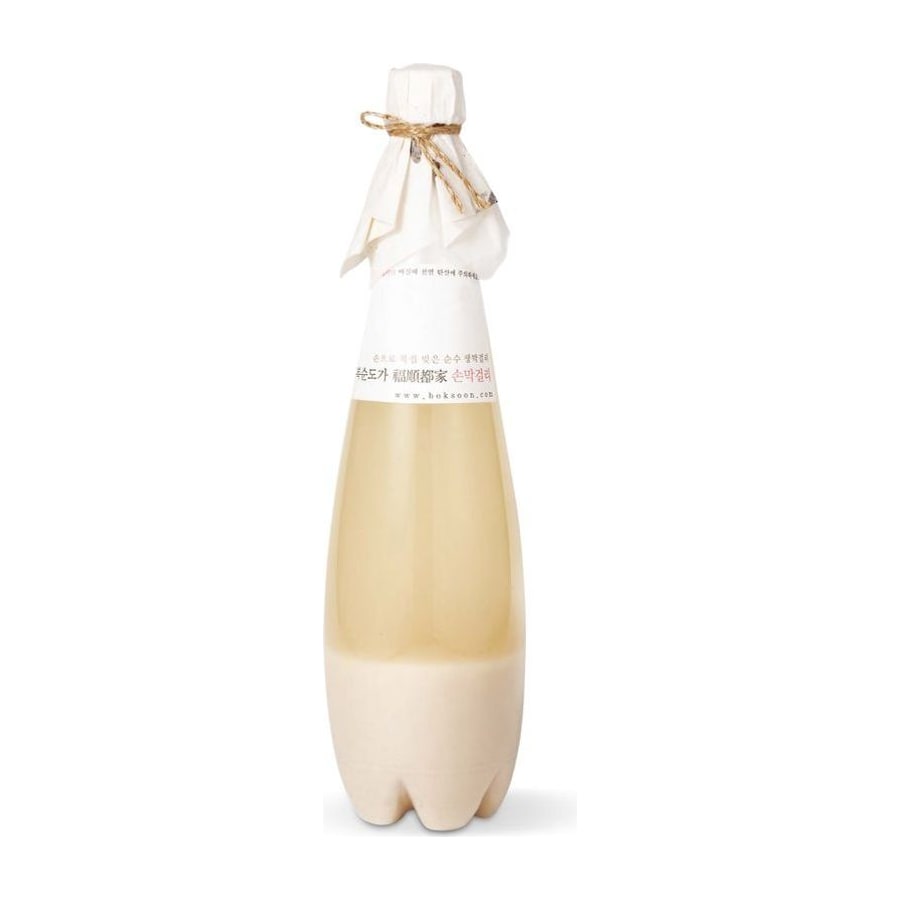
Open a bottle of Boksoondoga Hand-crafted Makgeolli and the natural carbonation that nuruk produced over a long fermentation rises up. We follow an autumn day in Ulju: where the liquor began, how it is made, the particular way to open it that the carbonation calls for, and the silver grass filling Ganwoljae.
The Season of Pears and Hanu Bulgogi in Ulju — Boksoondoga Hand-crafted Makgeolli
Late September 2026 falls in the pear harvest season. The Rural Development Administration's Nongsaro data by maturity period lists the harvest of mid-season pears as mid-September through mid-October, a standard that applies to varieties nationwide. The Ulsan Metropolitan City Agricultural Technology Center introduces pear brands that the agricultural cooperative has nurtured by taking advantage of the geographic benefit of being close to consumer markets, including Seosaeng Ganjeolgot pear (서생간절곶배), Ulsan Bobae (울산보배) and Samnam pear (삼남배). According to the 2024 statistical yearbook, Ulsan's pear cultivation area is 411 hectares and its annual output is 7,246 tons. Ganjeolgot, named in the brand, is introduced as the place on the Korean Peninsula where the sun rises first, one minute earlier than Homigot (호미곶) in Pohang.
Boksoondoga opened in 2010 in Ulju-gun, Ulsan, as an agricultural cooperative corporation. It started not with a business plan but with family circumstances. When the father's business foundered, the mother, master brewer Park Bok-soon, wanted to start something new with the brewing skills passed down since the grandmother's time. Until then, she had been making makgeolli as a pastime and handing it out to neighbors in containers like water jugs. Selling homemade liquor would have been bootlegging, so she obtained a business license, and the first contract was with a golf course in Gyeonggi-do. In an interview with Esquire Korea, CEO Kim Min-gyu looked back on that time, when they made 100 bottles and 10 sold, and said that his mother, master brewer Park Bok-soon, brews the liquor while his father, co-CEO Kim Jeong-sik (김정식), serves as owner.
The “Bok” and “soon” in the name come from the name of the mother who brews the liquor, master brewer Park Bok-soon. The last two syllables are the characters for city (都, do) and house (家, ga); the official website explains that they carry the hope that urban and rural areas will always be together, and CEO Kim Min-gyu also says it means a medium connecting the countryside and the city. The brewery building in Sangbuk-myeon was designed by co-CEO Kim Min-gyu himself, who graduated from The Cooper Union's School of Architecture in New York and runs an architecture firm. He carried the idea of fermentation from liquor to architecture and defined “fermentation architecture” as the process by which space turns useful to people. The building is black because its exterior is coated with the ash of rice straw burned in the paddies after harvest.
The Sool (더술닷컴) describes Hand-crafted Makgeolli as an unpasteurized makgeolli made by hand and a traditional liquor in the gayangju (home-brewed liquor) style. The liquor is brewed in old earthenware jars in the traditional way, using only Korean rice. The rice is milled at a rice mill near the brewery, and CEO Kim Min-gyu said that many makgeolli on the market don't even use Korean rice, so he considers using local rice a big part of the work. The jars are all 50 to 70 years old, and since they are unglazed, each must be washed, dried, and then disinfected by burning rice straw inside. In effect, brewing one jar of makgeolli takes three jars. The carbonation rising in the bottle isn't added artificially; it is natural carbonation produced by the living, breathing nuruk over a long fermentation.
Boksoondoga Hand-crafted Makgeolli is 6.5% ABV in a 935 ml bottle. The Sool says it is so richly carbonated that it recalls champagne, and lists a gold medal at the 2015 San Francisco International Wine & Spirits Competition and the 2018 K-DESIGN AWARD among its honors. Because there is so much carbonation, there is a particular way to open it. The producer's official English site instructs you to turn the bottle upside down and shake it to mix the sediment, leave it in the freezer for 10 minutes, then, holding the bottle nearly on its side, slowly open and close the cap three to five times to release the carbonation before drinking. The same guide adds that the lower the temperature, the more refreshing it is, and as the temperature rises the refreshing quality falls and the acidity strengthens, so adjust the temperature to your taste.
The Sool names scallion pancakes (pajeon), fried chicken, bossam, jokbal and seafood as foods that go well with it. There is no material yet on pairing it with Eonyang hanu bulgogi or freshly picked pears, so what follows is a suggestion worth trying. Eonyang (언양) and Bonggye (봉계) in Ulju-gun were designated in 2006 as Korea's only hanu bulgogi special zone, and Eonyang is the area where the high-quality charcoal long produced there in abundance met hanu beef to give rise to Eonyang bulgogi. The Bonggye Hanu Bulgogi Festival has been held around October, and in 2025 it ran October 24–26 at the Bonggye multipurpose event site. After charcoal-grilled meat, take a sip of champagne-like fizz, and for dessert have a pear in season at this time of year, such as the Seosaeng Ganjeolgot pear.
The brewery is at 183-45 Soyajeong-gil, Sangbuk-myeon, Ulju-gun, Ulsan, and the official site says it is close to Ulsan KTX Station and Seo-Ulsan IC. Boksoondoga also has shops at major train stations connecting regions; the Ulsan Station branch at 177 Ulsanyeok-ro, 1st floor, Samnam-eup, Ulju-gun, is convenient to stop by on a train trip. As of the official site in September 2026, the fermented makgeolli experience class runs only by group reservation for 10 or more people, must be booked at least two weeks ahead, and small-group experiences are not offered. In a 30- to 60-minute session, participants brew their own makgeolli with rice and nuruk, the actual ingredients of Hand-crafted Makgeolli, and taste traditional liquors. Inquiries go to customer center 1577-6746. Boksoondoga was selected for the Ministry of Agriculture, Food and Rural Affairs' “Visiting Brewery” (찾아가는 양조장) program in 2018, and the selection validity period registered on The Sool runs through 2027. In 2026 it also released Munsu Takju (문수탁주) in collaboration with K League 1 club Ulsan Hyundai.
When to drinkOn an autumn evening with charcoal-grilled hanu in front of you, chill it, let out the carbonation, and pour slowly from the first glass.
Where to drink it now
A place to visit · Ganwoljae Silver Grass Plain, Yeongnam Alps (영남알프스 간월재 억새평원)
Ganwoljae is a silver grass plain spread across a mountain pass at 900 meters above sea level on the Yeongnam Alps ridgeline, covering 330,000 square meters (about 100,000 pyeong). The Korea Tourism Organization's Daehanminguk Guseokguseok (대한민국 구석구석) travel site presents it as a landscape where silver grass, which blooms when autumn comes, meets the sky. It is a place where the silver grass keeps its autumn colors into late autumn, even after the foliage has fallen.
You have to walk more than an hour up a forest road from the Complex Welcome Center (복합웰컴센터) to reach the silver grass plain. Because the introduction page carries a note that its information was last updated in January 2019, it is wise to check trail conditions once more before you climb.
If you have time after coming down, it is worth looking around Eonyang as well. Eonyang Eupseong Fortress (언양읍성) dates to 1617, the 9th year of Joseon's King Gwanghaegun, and was designated a Historic Site on December 27, 1966; it stands at 55-8 Seongan 2-gil, Ulju-gun. Eonyang Alps Market (언양알프스시장) took its present name in 2014, continuing the Eonyang market (언양장) opened in 1915, and its address is 19 Jangteo 1-gil, Eonyang-eup, Ulju-gun. A five-day market has also long been held there on days ending in 2 and 7.
Frequently asked questions
Where does the carbonation in Hand-crafted Makgeolli come from?
It isn't carbonation injected artificially; it is natural carbonation produced by living, breathing nuruk over a long fermentation. The Sool says it is so richly carbonated that it recalls champagne.
How do I open the bottle?
The producer's official English site instructs you to turn the bottle upside down and shake it to mix the sediment and leave it in the freezer for 10 minutes. Then, holding the bottle nearly on its side, slowly open and close the cap three to five times to release the carbonation.
How cold should I drink it?
The official guide explains that the lower the temperature, the more refreshing it is, and as the temperature rises the refreshing quality falls and the acidity strengthens. Keep it chilled, and adjust the temperature to your taste.
Where can I buy it?
You can check the retailers listed below. Boksoondoga also has shops at major train stations connecting regions, so you can find it at the Ulsan Station branch at 177 Ulsanyeok-ro, 1st floor, Samnam-eup, Ulju-gun, as well.
How do I sign up for the brewery experience?
According to the official site, it runs only by group reservation for 10 or more people and must be booked at least two weeks ahead. In a 30- to 60-minute session, participants brew their own makgeolli with rice and nuruk and taste traditional liquors. Inquiries go to customer center 1577-6746.
16 sources · fact-checked 2026-09-22
- 농촌진흥청 농사로 · 배 - 농사로(작목별 생육단계/농작업 일정)
- 파이낸셜뉴스 · 울산 봉계 한우불고기 전국에 알린다.. 6년만에 축제 재개 (2023-09-26)
- 복순도가(boksoon.com) · About - 복순도가 공식 홈페이지
- 에스콰이어 코리아 · 막걸리계의 돔페리뇽 '복순도가'의 김민규 대표와 나눈 이야기 (2020-08-02)
- 복순도가(en.boksoon.com) · Boksoondoga - How to Open Boksoondoga Makgeolli
- 대한민국 구석구석(한국관광공사) · 늦가을 낭만의 끝에 서다, 간월재 억새군락지
- 울산광역시 농업기술센터 · 울산농업 - 울산의 농특산물
- 대한민국 구석구석(한국관광공사) · 간절곶
- 위키백과 · 복순도가 (2026-05-13)
- 복순도가(boksoon.com) · 매장/양조장 안내(Space) - 복순도가 공식 홈페이지
- 더술닷컴(한국농수산식품유통공사) · 복순도가 손막걸리 - 우리술 찾기
- 울산역사문화대전(한국학중앙연구원) · 언양알프스시장
- 국제뉴스 · 울주군, '2025년 봉계 한우불고기축제'... 오는 24~26일 개최 (2025-10-18)
- 복순도가(boksoon.com) · 체험(Experience) - 복순도가 공식 홈페이지
- 더술닷컴(한국농수산식품유통공사) · 양조장 상세소개 - 복순도가 (2021-01-05)
- 국가유산청 국가유산포털 · 사적 울주 언양읍성