September's Seasonal Table: Six Hansool Bottles to Travel With
In September, omija, grapes, blue crab, new rice, rock octopus and gizzard shad are in season. We picked six Hansool bottles, from Mungyeong's Omyrose Gyeol to Haenam's Haechang Makgeolli 9, along with destinations like Mungyeong Saejae, Daebu Haesol-gil and Seongsan Ilchulbong.
September is the month when the harvests of the paddies and the sea all arrive on the table at once. The Ministry of Oceans and Fisheries chose gizzard shad (jeoneo) as September's Seafood of the Month, and blue crab from the Five Northwestern Islands (Seohae 5-do), including Yeonpyeongdo, enters its autumn season in September. Mungyeong's omija (five-flavor berries) reaches its best harvest time around September 20, 120 days after flowering, and Yeongdong's Campbell Early grapes go into winemaking the same day they are hand-harvested in September.
In Seocheon, early-maturing new rice planted to ship before Chuseok is ready, and the spawning-season fishing ban on Jeju common octopus ends on September 15. We have linked these six seasonal ingredients to six Hansool bottles and six places to visit.
Mungyeong in September, When Omija Ripens — Omyrose Gyeol
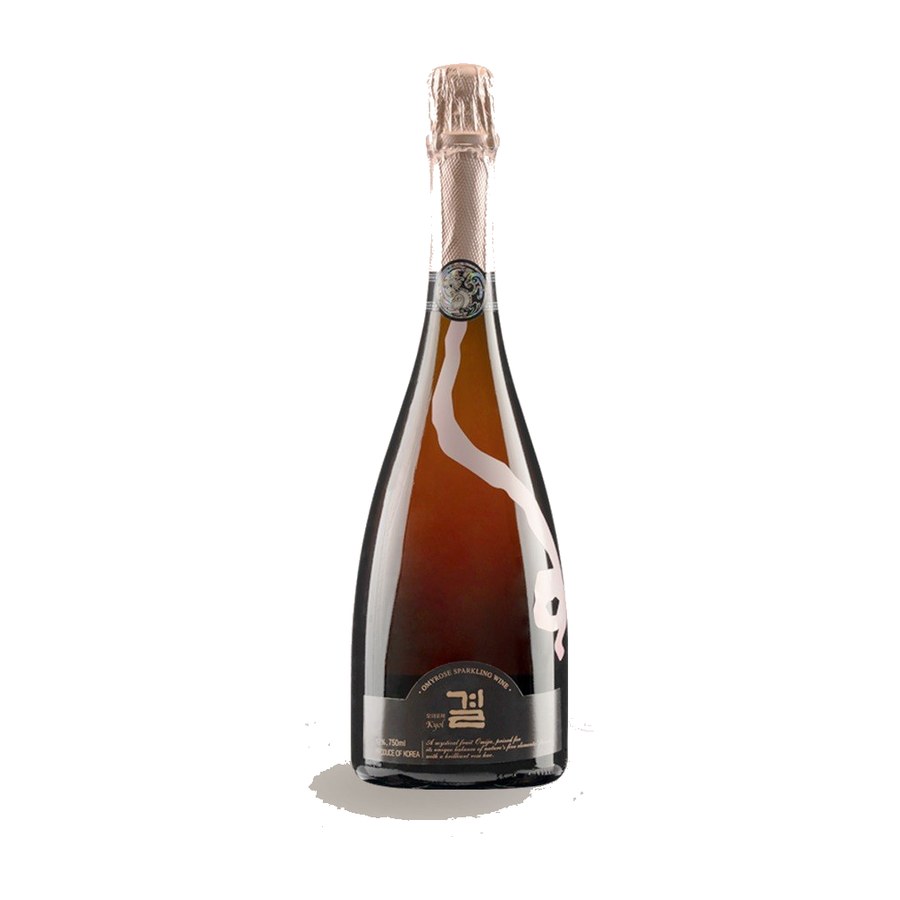
In 2020, Mungyeong produced 1,500 tons a year, 45% of Korea's omija, making it the country's top-producing region. The omija grown here were transplanted from Mt. Hwangjangsan (황장산) and Mt. Daemisan (대미산), at the heart of the Baekdudaegan mountain range. The Rural Development Administration's Nongsaro omija work schedule shows that early-to-mid-maturing varieties reach their best harvest time around September 20, 120 days after flowering, while mid-to-late-maturing varieties, at 125 to 140 days, are harvested through about October 20. The 22nd Mungyeong Omija Festival in 2026 runs September 18–20 around the Geumcheon riverside in Dongno-myeon.
Omyrose Gyeol is an omija sparkling wine that Ominara released in November 2011 using the authentic Champagne method. Ominara is an integrated winery that produces both wine and distilled spirits, making wine and distilled spirits from Mungyeong's specialty omija and distilled spirits from another local specialty, apples. The sparkling wine undergoes carbonation fermentation and aging in the bottle for one year and six months, followed by a process to remove the sediment in the bottle. The name Omyrose became known nationwide when it was selected as the special banquet liquor for the 2012 Seoul Nuclear Security Summit.
The Sool's (더술닷컴) detail page for Omyrose Premier Wine says Ominara's omija wine pairs with rich Korean food, and names omija pork belly, grilled deodeok (codonopsis root), wild mountain greens and pine mushroom dishes as famous foods of Mungyeong, the wine's home. For meat, it explains, you can enjoy the charm of this liquor more with grilled Korean beef (hanu), which is less pungent than seasoned meat. The producer's recommended serving temperature for Omyrose Gyeol is 5–8℃, so it works well chilled as the first glass between wild greens and grilled dishes. At the tasting shop “Cheonnyeon Jumak” (천년주막, the Thousand-Year Tavern), you can taste the company's wines, including Omyrose, and its distilled spirits in person.
When to drinkThe producer's recommended serving temperature is 5–8℃. Serve it cold as the first glass at an evening table after the festival, in September when the new omija is harvested.
Where to drink it now
A place to visit · Mungyeong Saejae Provincial Park (문경새재 도립공원)
Mungyeong Saejae is a mountain pass that scholars of old traveled between Yeongnam and Hanyang (now Seoul). From the first gate, Juheulgwan (주흘관), to the third gate, Joryeonggwan (조령관), it is a firmly packed dirt road, and easier to walk than a paved road. This old road was designated Scenic Site No. 32 on December 17, 2007. From September 18 to 20, the omija festival is held in Dongno-myeon within the same Mungyeong, so you could follow the festival with a walk along the old road.
The provincial park is in Sangcho-ri, Mungyeong-eup, Mungyeong-si, North Gyeongsang, and covers 5.494 ㎢. According to its official information as of September 2026, Ominara, located on the site of an old inn (jumak), offers winery tours at 10:00–12:00 and 13:00–17:00 (by entry time), and is open year-round, closing only on New Year's Day and on Seollal and Chuseok days.
Yeongdong in September, Hand-Harvesting Grapes — Hwamong
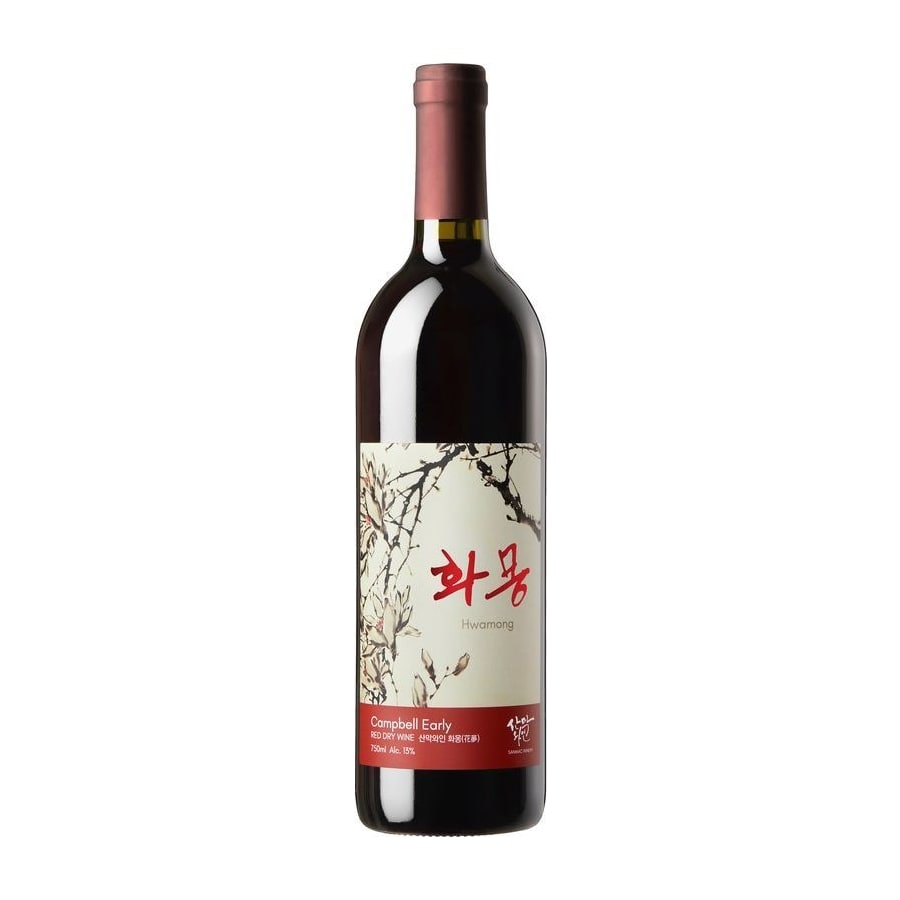
Yeongdong is Korea's top grape-producing area, growing grapes on 2,466 hectares, about 9.5% of the national cultivation area, with an annual output of about 41,000 tons. The Grape Research Institute of the North Chungcheong Agricultural Research and Extension Services advises that Campbell Early has a long coloring period, which makes it easy to harvest unripe fruit, so growers should check sugar level and acidity before harvesting. Hwamong (화몽) uses 100% hand-harvested Campbell Early grapes picked in September, and goes into winemaking in a fresh state the same day they are picked. This year's 21st Yeongdong Grape Festival ran for four days, from August 27 to 30, around the Yeongdong Rainbow Healing Tourist Area.
Hwamong is the first red wine produced by Sanmak Winery (산막와이너리), and it won a Silver Award at the 2020 Korea Wine Awards. Sanmak Winery was founded in 2015 by CEO Ahn Seong-bun (안성분) after six years of education and practice following a move into farming, and sits at 200 m above sea level. The vineyard is managed with eco-friendly farming that rigorously excludes chemical fertilizers and herbicides, and all its wines age at least 12 months in stainless steel tanks. It also runs experience programs, including grape harvest experiences, vineyard tours, wine tastings and barbecues in the vineyard.
Sanmak Winery introduces Hwamong as a wine whose light body and the distinctive aroma of Campbell Early make it a good match for Korean food and for dishes with strong aromas and seasonings. Because it is made from grapes hand-harvested in September, it makes a fitting partner for the richly seasoned meat dishes on the same season's table. The serving temperature on the official product page is 13–15℃, a little warmer than straight out of the refrigerator.
When to drinkThe official serving temperature is 13–15℃. It goes well with an autumn dinner of boldly seasoned Korean dishes.
Where to drink it now
A place to visit · Yeongdong Wine Tunnel (영동 와인터널)
The Yeongdong Wine Tunnel is a 420 m tunnel in the Yeongdong Rainbow Healing Tourist Area, with a space for exploring the history of wine, an exhibition and sales hall for Yeongdong farm wines, a tasting room, an activity space, a restaurant and a cultural performance hall. This year's Yeongdong Grape Festival was held around the same tourist area from August 27 to 30, so if you missed it, you can meet Yeongdong wines in the tunnel instead. During the festival, grape picking cost 10,000 won per 2 kg, according to the information given at the 2026 festival.
As of September 2026, admission is 5,000 won for individual adults and 4,000 won for groups, 4,000 won for seniors, youth and military personnel, 1,000 won for children, and 3,000 won for Yeongdong County residents. It is closed on Seollal and Chuseok days and every Monday; when a Monday is a public holiday, it closes the next day. Sanmak Winery is open from 09:00 to 18:00, Monday through Saturday, and closed on Sundays and public holidays.
Daebudo, Ansan, in September as Blue Crab Enters Its Autumn Season — Grand Coteau Cheongsu
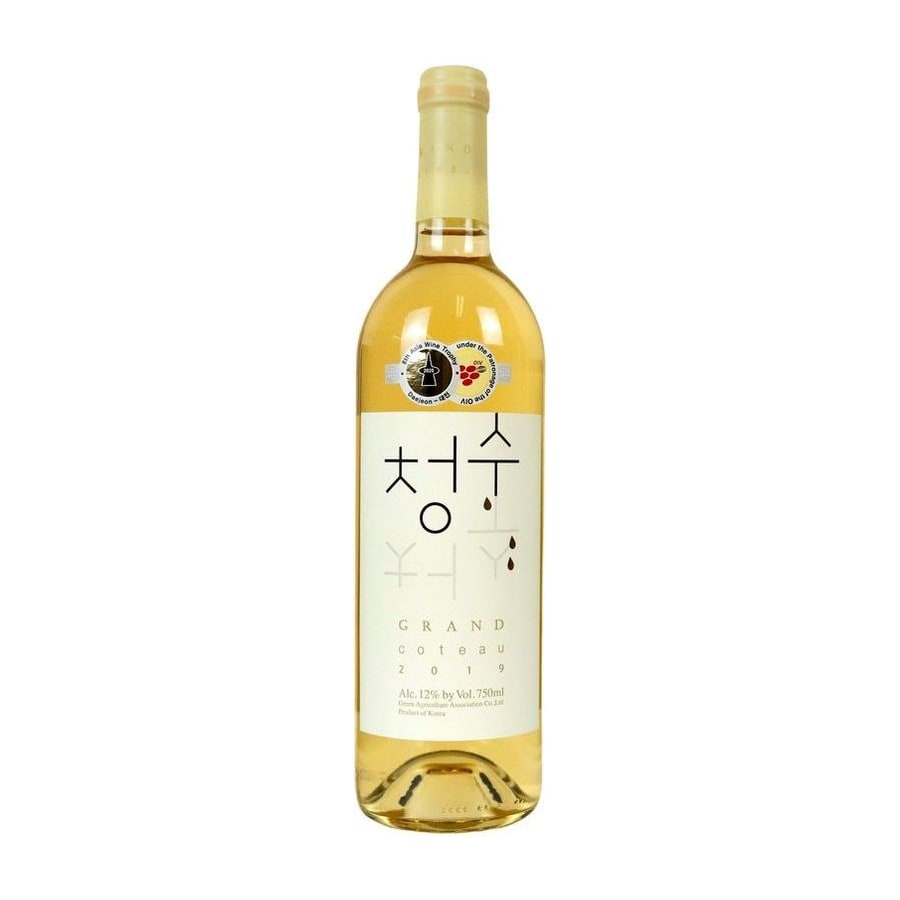
The National Institute of Fisheries Science says the closed season for blue crab was first set in 1974 and, after four revisions, now runs from June 21 to August 20. The autumn season begins on August 21 in Incheon waters, and a little later, in September, in the Five Northwestern Islands area including Yeonpyeongdo. “Autumn season” (gaeul-eogi) is the official term the institute uses when it publishes its blue crab production outlook. In that same early September, on Daebudo, Grand Coteau (그랑꼬또) harvests Cheongsu grapes and starts making its wine.
Cheongsu (청수) is a green grape variety developed by the Rural Development Administration in 1993, and Cheongsu white wine is the signature product of Grand Coteau, a winery on Daebudo. Grapes harvested in early September are pressed, and the skinless juice is fermented at low temperature for 6 to 8 weeks and then aged in tanks for about a year, using yeast intended for German Riesling. To preserve the soft taste and aroma characteristic of Campbell Early, Grand Coteau ferments and ages in stainless steel tanks instead of aging in oak barrels. Founded in 1996, the cooperative winery received a Presidential Commendation in 2017 and produces about 70,000 bottles of around 10 varieties a year. Its Cheongsu white wine won the Grand Prize in the fruit wine category at the 2019 Korea Fine Liquor Competition.
The foods that the official product data lists as matches for Cheongsu white wine are light starters such as sashimi and salmon salad, as well as seafood dishes. A September table of blue crab, now in its autumn season, and clam dishes falls within that range. However, because Cheongsu white wine is made in small quantities, dry and semi-sweet versions alternate from year to year, so it is a good idea to check stock before visiting.
When to drinkIt suits the light starter course of a September table of blue crab, now in its autumn season, and clams. Because quantities are small, check stock first.
Where to drink it now
A place to visit · Daebu Haesol-gil (대부해솔길)
Daebu Haesol-gil Course 1 runs from Bangameori (방아머리) to Donjiseomangil (돈지섬안길). Ansan City's tourism materials introduce it as the most popular of the 10 courses, which combine a sea pine forest with the West Sea tidal flats. Sihwa Lake, on the way across to Daebudo, has a tidal range of 9 m, which makes it Korea's best site for tidal power generation. September, when Five Northwestern Islands blue crab enters its autumn season, is a good time to walk the tidal flats and visit the winery in one day.
Ansan City's tourism materials introduce the Bangameori Food Culture Street as a place famous for seafood and clam kalguksu (noodle soup). Grand Coteau Winery, as confirmed in September 2026, is open Monday–Friday 09:00–18:00 and Saturday 10:00–18:00 (lunch break 12:00–13:00), and closed on Sundays. Wine tasting is 15 minutes for 10,000 won per person for a sampling of three wines including Cheongsu white wine; drivers and minors cannot taste.
Seocheon in September, When the New Rice Comes In — Hansan Sogokju
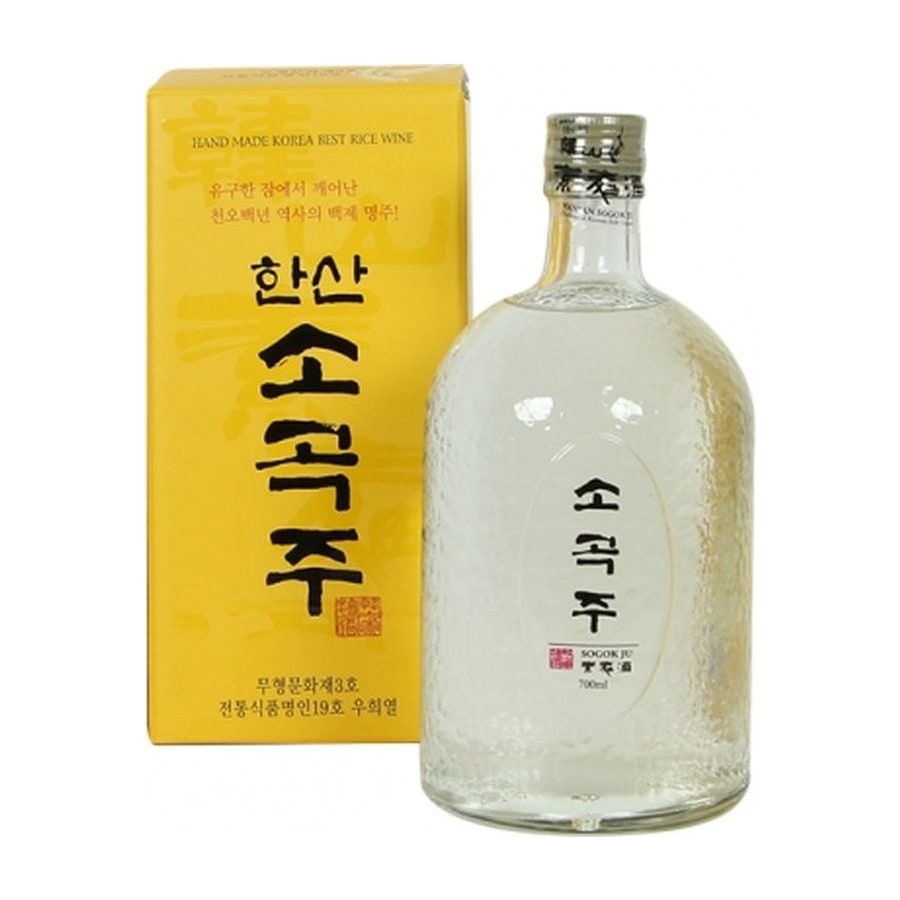
In April 2026, Seocheon County held this year's first rice transplanting in Mangwol-ri, Hwayang-myeon, with the early-maturing varieties Haedamssal (해담쌀) and Neuldam (늘담), aiming to ship new rice before Chuseok in September. Hansan Sogokju is a liquor made by fermenting only water and rice from Seocheon for 100 days, with no chemical additives or sugar. That makes for a pairing: a liquor brewed with rice from the same area, served in the month the new rice arrives.
According to the National Heritage Portal (국가유산포털), the designation date of South Chungcheong Province Intangible Heritage “Hansan Sogokju” is July 3, 1979. That year, Kim Yeong-sin (김영신), the mother-in-law of Master Woo Hee-yeol, was designated South Chungcheong Intangible Cultural Heritage No. 3, and in 1997 Master Woo succeeded her; in 1999 the government designated Master Woo Korea Master Food Artisan No. 19. Production proceeds in sequence: nuruk is made and combined with a steamed non-glutinous rice cake (baekseolgi) to ferment for three to four days as the base mash (mitsul); then the second mash (deotsul) mixes glutinous rice, nuruk, secondary ingredients and the base mash; and finally it ferments and ages for 100 days in a jar. Because only 80 liters of water per 100 kg of glutinous rice go into the second mash and it ferments long at low temperature, it reaches 18% ABV, higher than other yakju under 16%.
Hansan Sogokju was selected as the official drink of the 6th Korea-China-Japan trilateral summit in November 2015, and in September 2019 it was also chosen as the Chuseok gift the President sends to people in all walks of life. Because it uses only domestically grown glutinous rice, nuruk, white rice, wild chrysanthemum, ginger, meju soybeans and red pepper, with no artificial additives at all, it can be placed on the ancestral ritual table (charye) or given as a holiday gift without hesitation. A legend says that a daughter-in-law who tasted the liquor became so drunk she could not get up, giving it the nickname “Can't-Stand-Up Wine” (Anjeunbaengi-sul, 앉은뱅이 술). The Sool's (더술닷컴) product information for Hansan Sogokju lists minari pancake (minari-jeon) as an accompanying dish, explaining that the soft taste of sogokju comes through with the subtle aroma of the chewy minari jeon.
When to drinkIt suits a Chuseok table set with new rice and holiday gift-giving. At 18% ABV, it is best to pour small glasses and sip slowly.
Where to drink it now
A place to visit · Seocheon Sinseong-ri Reed Field (서천 신성리 갈대밭)
Sinseong-ri Reed Field has a reed bed 200 m wide stretching more than 1 km, and is counted among Korea's four major reed fields. Chungnam Tourism says that in September you can see the feast of brown reeds here. Seocheon's Hongwon Port (홍원항) bustles in autumn with people who come to taste savory gizzard shad (jeoneo), so you can pair a stroll through the reeds with a gizzard shad meal in one day.
The reed field's address is 125-2 Sinseong-ri, Hansan-myeon, Seocheon-gun, South Chungcheong, in the same Hansan-myeon area as the Hansan Sogokju brewery at 1118 Chungjeol-ro, Hansan-myeon. The brewery is at 1118 Chungjeol-ro, Hansan-myeon, and visits and purchase inquiries are taken at 041-951-0290. It is a house that has brewed through four generations, from Master Woo Hee-yeol to the heir to the craft, Na Jang-yeon (나장연), and Na's son.
September in Seongsan, Jeju, When the Rock Octopus Closed Season Ends — Seongsanpo Soju
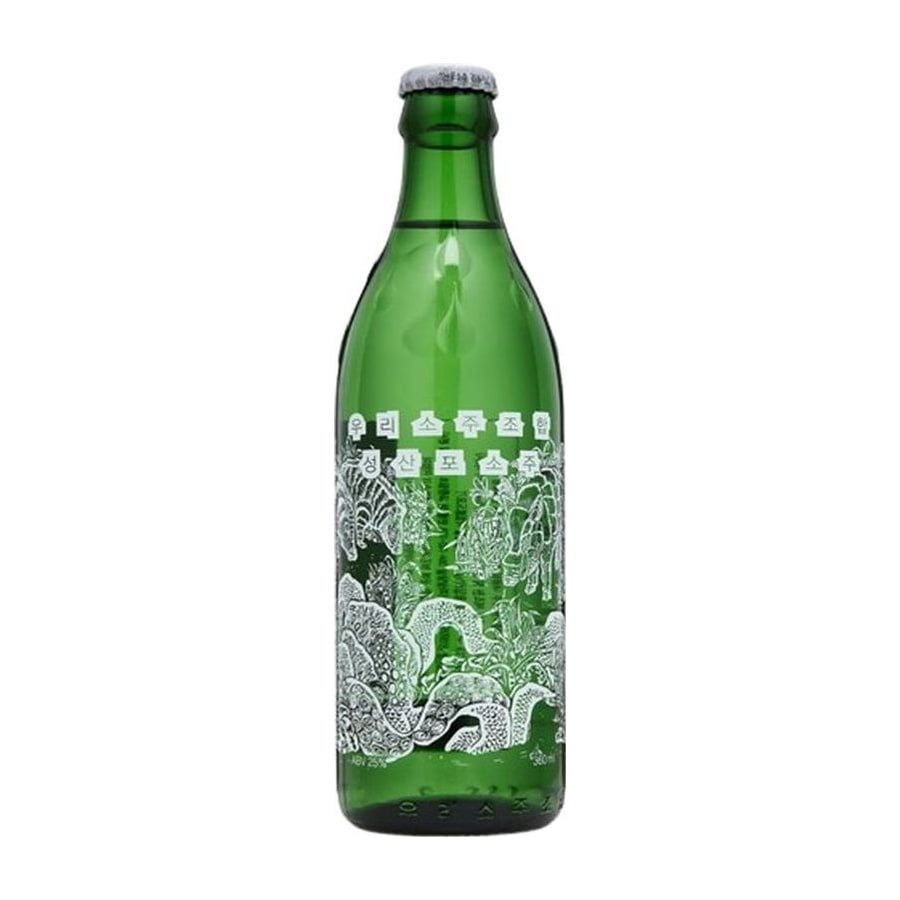
In Jeju, catching and harvesting common octopus (chammuneo) is prohibited for 46 days, from August 1 to September 15, while they spawn. The spawning season for common octopus on the southern coast is May–June, but Jeju sets its spawning season in August–September because its water temperature differs by 2–3℃ from other regions. Mid-September is when the ban ends. Within that same Jeju, Suldoga Jeju Badang (술도가제주바당) brews its liquors only with Jeju rice and nuruk.
Suldoga Jeju Badang is a brewery in Jongdal-ri, Gujwa-eup, Jeju-si, run by CEO Im Hyo-jin (임효진) and her husband. In an interview with Halla Ilbo, Im said she moved to Jeju in 2014 out of a belief that “where the water is good, there is good liquor,” and began brewing that year through the Eastern Agricultural Technology Center's young farmer start-up support program. As of a 2018 interview, every liquor is brewed in-house, made only with Jeju rice and nuruk and fermented and aged for 100 days or more in traditional earthenware. Seongsanpo Soju (성산포소주) is among this brewery's products listed on its official online shop, along with Memil Iseul (메밀이슬), Kiwi-sul (키위술), Jeju Nangman (제주낭만), Malgeun Badang (맑은바당) and Han Badang (한바당).
The Sool's (더술닷컴) detail page for Seongsanpo Soju lists boiled rock octopus slices (dolmuneo-sukhoe), Spanish mackerel sashimi (samchi-hoe) and whelk (chamsora) as foods that go well with it. Of these, boiled rock octopus connects directly to September tables on Jeju's east coast, where the common octopus closed season ends on September 15. The same page says it is brewed with Jeju volcanic bedrock water and rice, with the nutty flavor of rice and a cheongju aroma, and writes that it goes down smoothly with a clean aftertaste, so it is easy to drink without strain. The ingredients are purified water, domestic rice, ipguk (rice koji) and yeast, and it is a distilled spirit at 25% ABV in a 360 ml bottle, so small glasses work well as you alternate between bites of sukhoe and sashimi.
When to drinkIn mid-September in Jeju, when the common octopus closed season ends, a good place to start is the free tasting at the brewery's direct-sales shop.
Where to drink it now
A place to visit · Seongsan Ilchulbong (성산일출봉)
In 2007, Seongsan Ilchulbong was inscribed on the UNESCO World Natural Heritage list as a component of “Jeju Volcanic Island and Lava Tubes,” together with the Hallasan Natural Reserve and the Geomunoreum Lava Tube System. This volcanic cone, 180 m above sea level, opens at 05:00 in September and October, making it easy to plan a climb timed to sunrise.
As of September 2026, opening hours in March–April and September–October are 05:00–19:00, with ticket sales closing at 18:00. It is closed on the first Monday of each month, and the next day if that Monday is a public holiday. The brewery's direct-sales shop is at 27 Handong-ro, 1st floor, Gujwa-eup, Jeju-si, so if you want to combine it with a Seongsan itinerary, check ahead the operating hours of 12:00–23:00 as listed on the official online shop and its main phone number, 064-783-1775.
Haenam in September, in Season for Gizzard Shad — Haechang Makgeolli 9
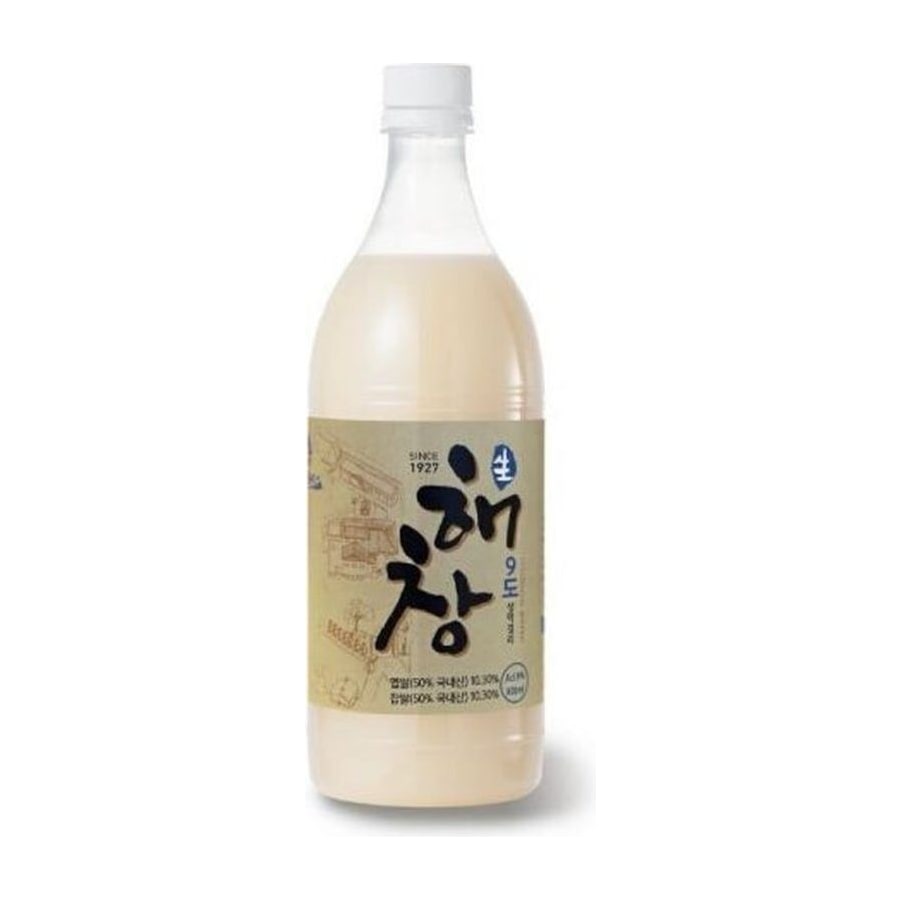
Gizzard shad (jeoneo), which the Ministry of Oceans and Fisheries chose as September's Seafood of the Month, is introduced as a fish with an outstanding savory flavor in autumn. In a September 2, 2026 article, Suhyup's Eoeop-in Susan (어업in수산) reported that gizzard shad contains large amounts of omega-3 fatty acids such as EPA and DHA. According to Noryangjin Fisheries (노량진수산), gizzard shad is at its best grilled, as sashimi, or as hoe-muchim (sashimi salad). As of 2015, Haenam had 21,550 hectares of paddy and produced 145,776 tons, the largest rice output of any county-level local government in Korea. The organic glutinous rice that Haechang Brewery receives directly through contract farming is also Haenam rice.
Haechang Brewery began as a rice warehouse built in 1927 by a Japanese man, Shibata Hikohei (시바다 히코헤이). In an interview with Economist (이코노미스트), CEO Oh Byeong-in said, “It has operated since 1927, and I took it over in 2008.” For the makgeolli, it uses organic glutinous rice from Haenam supplied through contract farming, and using organic glutinous rice raises ingredient costs about 20-fold compared with ordinary makgeolli. Haechang's 9% and 12% are brewed by the samyangju (triple-brewed) method, and the 18% by the sayangju (four-stage brew) method. As to why there is enough sweetness without adding sweeteners, CEO Oh Byeong-in pointed out that the English name for glutinous rice is “sweet rice,” and the brewery was designated a “Visiting Brewery” (찾아가는 양조장) by the Ministry of Agriculture, Food and Rural Affairs in 2014.
Gizzard shad is a fish enjoyed grilled, as sashimi, or as hoe-muchim, so we set Haechang Makgeolli 9 beside a grilled gizzard shad table as the glass to go with it. Even without sweeteners, the sweetness from the glutinous rice is clear, so it is easy to alternate with the grilled fish. A Korea Tourism Organization article describes the atmosphere of tipping a makgeolli cup by the pond in the brewery's garden.
When to drinkIt suits a glass alongside a grilled gizzard shad table, or sipped while sitting by the pond in the brewery's garden.
Where to drink it now
A place to visit · Haenam Ttangkkeut Village (해남 땅끝마을)
At the summit of Sajabong (사자봉) on Mt. Galdusan (갈두산) in Haenam stands the Ttangkkeut Observatory (땅끝전망대), at the spot called “ttangkkeut” (the land's end), the very end of the Korean Peninsula's land. The Ttangkkeut Monorail (땅끝모노레일), opened on December 19, 2005, connects Ttangkkeut Village with the observatory. Haenam is also home to Daeheungsa Temple (대흥사), inscribed as a UNESCO World Cultural Heritage site in 2018, so you can plan the day's route around a gizzard shad meal.
The Ttangkkeut Monorail's address is 60-28 Ttangkkeutmaeul-gil, Songji-myeon, Haenam-gun. According to the Korea Tourism Organization's October 2024 guidance, Haechang Brewery is open 09:00–18:00 year-round, and makgeolli can be bought on-site as well as at some online shops and large supermarkets. The garden behind the residence is open for visitors to wander freely, and the oldest crape myrtle tree is about 700 years old.
Frequently asked questions
Which Hansool drinks go with September's seasonal foods?
Gizzard shad is enjoyed grilled, as sashimi or as hoe-muchim, so Haechang Makgeolli 9 goes alongside. For blue crab and clam dishes, Grand Coteau Cheongsu fits, as the official product data lists light starters such as sashimi and salmon salad, and seafood dishes. For boldly seasoned Korean food, pick Hwamong, whose pairings Sanmak Winery has written up.
Which drink should I choose for a Chuseok table or holiday gift?
Hansan Sogokju was selected as the official drink of the 6th Korea-China-Japan trilateral summit in November 2015, and in September 2019 as the Chuseok gift the President sends to people in all walks of life. It comes from a region where Seocheon County plants early-maturing new rice to ship before Chuseok, so it connects naturally to a holiday table.
When is the 2026 Mungyeong Omija Festival?
The 22nd Mungyeong Omija Festival in 2026 runs for three days, from Friday, September 18, to Sunday, September 20, around the Geumcheon riverside in Dongno-myeon, Mungyeong (525-11 Jeokseong-ri, Dongno-myeon). It is hosted by the Mungyeong Omija Festival Promotion Committee and organized by the Mungyeong Tourism Corporation.
At what temperature is Hwamong best served?
Sanmak Winery's official product page gives a serving temperature of 13–15℃ for Hwamong. That is a little warmer than straight out of the refrigerator, and it is introduced as a wine that goes well with Korean food and with dishes with strong aromas and seasonings.
What are the opening hours and closing days of Seongsan Ilchulbong in September?
As of September 2026, opening hours in the spring and autumn season, March–April and September–October, are 05:00–19:00, with ticket sales closing at 18:00. It is closed on the first Monday of each month, and the next day if that Monday is a public holiday.
59 sources · fact-checked 2026-09-19
- 노량진수산주식회사('이달의 수산물' 안내) · 이달의 수산물 - 전어
- 국립수산과학원 · 수과원, 올해 인천 가을어기 꽃게 생산량 소폭 감소 예상 (2020-08-21)
- 농사로(농촌진흥청) · 오미자 - 작업일정(수확)
- 산막와이너리(공식 홈페이지) · 화몽 (제품 소개) (2023-09-18)
- 아주경제 · 서천군, "추석상 햅쌀, 한 달 앞당긴다"…올해 첫 모내기 돌입 (2026-04-24)
- 한라일보 · 제주 해루질 이어 '돌문어' 금어기 설정 (2021-04-27)
- 문경시 문화관광(공식 홈페이지) · 문경 오미자
- 문경시 문화관광(공식 홈페이지) · 문경오미자축제
- 일요시사 · 술 익는 마을을 찾아 ⑤문경 오미나라 (2024-10-28)
- 오미나라(공식 홈페이지) · 오미나라 스토리 (2023-09-20)
- 서울신문 · [新전원일기] 인생도 와인도 오미자 (2016-09-20)
- 더술닷컴(농림축산식품부) · 오미로제 프리미어와인 상세정보 - 어울리는 음식
- 오미나라(공식 쇼핑몰) · 스파클링와인 오미로제 결(結)
- 대한민국 구석구석(한국관광공사) · 문경새재 도립공원 - 길 위의 역사, 고개 생태 문화와 함께하는 옛길
- 문경시 문화관광(공식 홈페이지) · 문경새재도립공원 안내 - 연혁
- 오미나라(공식 홈페이지) · 오미나라 투어 (와이너리 투어 체험 안내) (2026-07-12)
- 영동포도축제(영동군문화관광재단, 공식 홈페이지) · 포도이야기
- 충청북도농업기술원 특화작목연구소 포도연구소(공식 홈페이지) · 수확/유통 - 수확시기
- 영동포도축제(영동군문화관광재단, 공식 홈페이지) · 축제개요
- 산막와이너리(공식 홈페이지) · ABOUT US
- 산막와이너리(공식 홈페이지) · 빈야드 & 양조(VINEYARD)
- 산막와이너리(공식 홈페이지) · 체험 프로그램
- 대한민국 구석구석(한국관광공사, 공식 여행정보) · 영동 와인터널 > 여행지 | 산업관광
- 오마이뉴스 · 달콤 상큼한 늦여름의 추억… 과일의 고장 영동으로 떠나는 포도 여행 (2026-08-11)
- 영동와인터널(영동군, 공식 홈페이지) · 요금안내
- 국립수산과학원 · 여름철 산란기의 대게ㆍ꽃게ㆍ낙지를 지켜주세요 (2021-06-01)
- 국립수산과학원 · 수과원, 올 가을 인천해역 꽃게 생산량 3200~4500톤 예상 (2021-08-26)
- 경향신문 · [김형규 기자의 한국 술도가] 없어서 못 파는 국산 청포도 '청수' 화이트와인 (2019-08-17)
- 그랑꼬또 와이너리(그린영농조합) · 그랑꼬또 와이너리 소개
- 그랑꼬또 와이너리(그린영농조합) · 그랑꼬또 와이너리 — 메타 소개문
- 그랑꼬또 와이너리(그린영농조합) · 그랑꼬또 와인 소개 — 제품 데이터
- 안산시청 문화관광 · 안산시 문화관광에 오신걸 환영합니다
- 그랑꼬또 와이너리(그린영농조합) · 그랑꼬또 와인 오시는 길
- 그랑꼬또 와이너리(그린영농조합) · 그랑꼬또 투어/체험 프로그램
- 서울신문 · "1500년 전통 쌀맛 그대로의 한산소곡주, 청년 이웃 덕에 MZ세대 입맛 사로잡았죠" (2022-05-25)
- 국가유산청 국가유산포털 · 충청남도 무형유산 한산소곡주(韓山素穀酒)
- 농림축산식품부·한국농수산식품유통공사(aT) 식품산업통계정보 · 대한민국식품명인 기록도서 제19호 우희열(한산소곡주) (2022-08-05)
- 한산소곡주(sogokju.co.kr) · 한산소곡주 소개(홈)
- 더술닷컴(한국농수산식품유통공사) · 한산소곡주 상품정보
- 대한민국 구석구석(한국관광공사) · 추억의 풍경 속으로 걸어 들어가다 '충남 서천'
- 충청남도(충남관광) · 신성리갈대밭
- 한라일보 · [한라人터뷰] '술도가제주바당' 임효진씨 (2018-11-21)
- 제주일보 · 술도가제주바당, 포장디자인 공모 최우수상 (2016-06-09)
- 술도가제주바당(공식몰) · 술도가제주바당 메인페이지
- 더술닷컴(한국농수산식품유통공사) · 성산포소주 상세정보
- 제주관광공사(비짓제주) · 성산일출봉
- 한국관광공사(대한민국 구석구석) · 성산일출봉 [유네스코 세계자연유산]> 여행지
- 한국관광공사(열린관광 모두의 여행) · 성산일출봉 [유네스코 세계자연유산] > 상세
- 술도가제주바당(공식몰) · 회사소개·사업자정보
- 어업in수산(수협중앙회) · 해수부, 9월 이달의 수산물로 '전어·향어' 선정 (2026-09-02)
- 한국학중앙연구원·해남군청(디지털해남문화대전) · 해남 쌀 - 디지털해남문화대전
- 한국문화원연합회(지역N문화, 문화체육관광부 지원) · 역사와 문화를 품은 백 년 술도가, 해남 해창주조장 (2022-05-16)
- 한국학중앙연구원·해남군청(디지털해남문화대전) · 해창주조장 - 디지털해남문화대전
- 이코노미스트 · 정용진이 극찬한 해창막걸리…다음 목표는 증류주[이코노 인터뷰] (2024-05-06)
- 한국관광공사(대한민국 구석구석) · 막걸리에 관한 명품적 사고, 해남 해창주조장 (2024-10-14)
- 농민신문 · [이사람] 유기 찹쌀로 막걸리 빚는 오병인 해창주조장 대표 (2021-05-07)
- 한국관광공사(대한민국 구석구석) · 땅끝전망대
- 한국관광공사(열린관광 모두의 여행) · 땅끝모노레일
- 한국관광공사(대한민국 구석구석) · 해남, 푸른 꿈이 다시 시작되는 곳에서