Seoul Jangsoo
Seoul Takju Manufacturers Association · Makgeolli producers' association · Subsidiary Seoul Jangsoo Co., Ltd.
An association formed in 1962 by Seoul's takju breweries that has made Jangsoo Saeng Makgeolli since 1996. Liquor brewed each day ships the same day.
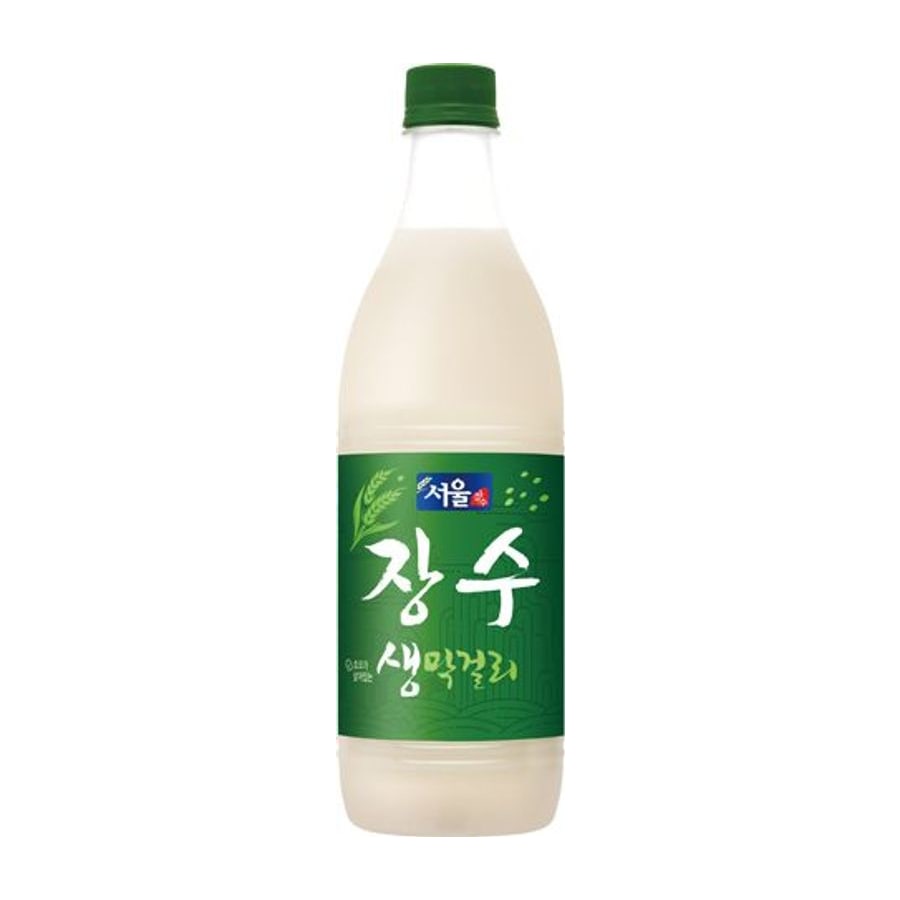
The brewery's story
The Seoul Takju Manufacturers Association began in 1962 when 51 takju breweries in Seoul came together under the National Tax Service's policy of consolidating breweries. In 1996 it started making rice ipguk (rice koji) with automatic koji-making machines and switched to brewing only rice makgeolli, launching Jangsoo Saeng Makgeolli the same year. To keep the taste of live yeast, liquor brewed early each morning is bottled and shipped the same day, and the shelf life is set at 14 days.
How It Began
The Seoul Takju Manufacturers Association is a takju makers' organization founded on February 1, 1962. At the time, the National Tax Service set out to consolidate breweries, starting with the big cities, citing the protection of liquor tax revenue, an orderly takju distribution system and the elimination of illicit takju, and the first targets were Seoul's breweries. The shareholders of the 51 takju breweries in Seoul came together under the name Seoul Brewers Association (Seoul Jujo Hyeophoe), and the official history records that in 1963 the 51 breweries were reorganized into joint breweries. The oldest member brewery, Mugyo Brewery, is said to have made makgeolli since 1909.
In 1980 the association took its current name, the Seoul Takju Manufacturers Association. Under it are Oil Corporation, which makes PET bottles; Seoul Jeguk, which makes rice ipguk; and Seoul Jangsoo Co., Ltd. According to a 2022 encyclopedia entry, makgeolli is brewed at six joint breweries, Guro, Gangdong, Seobu, Dobong, Seongdong and Taereung, each run by its shareholders as an individual business. The member brewery list on the official website, however, shows five: Guro, Gangdong, Seobu, Dobong and Seongdong.
The subsidiary Seoul Jangsoo Co., Ltd. was established in Jincheon, North Chungcheong, on May 26, 2010, to meet growing demand at home and abroad. The Jincheon plant is described as standing on a site of about 10,000 pyeong with a total floor area of about 4,500 pyeong, one basement level and two floors above ground; it makes the pasteurized takju Wolmae from 100% Korean rice and can produce 100,000 liters a day. In November of the same year, it shipped the first export batch to Japan of Seoul Makgeolli, developed together with Lotte Liquor.
How the Liquor Is Made
The official production process is to polish and wash the rice, cook godubap (firm steamed rice) in a steamer, make the starter mash and then ferment it in fermentation tanks. The tanks use a low-temperature, long-fermentation method that keeps the room at 23℃ all year round; saeng (unpasteurized) makgeolli is filled, packed and shipped right after final adjustment, while pasteurized products go through one extra pasteurization before and after. The association says it brought in computer-controlled automatic koji-making machines to make ipguk and uses only white rice as its main ingredient. Its Makgeolli Research Institute adjusts fermentation temperature, duration and the amount of ipguk added, and selects aroma-producing yeasts.
The ingredients have changed with the times. Under government policy, it made wheat-flour makgeolli from 1966; in 1996, when it began making rice ipguk with automatic koji-making machines, it discontinued wheat-flour makgeolli and has brewed only rice makgeolli since. According to 2025 reports, Jangsoo Saeng Makgeolli goes through four rounds of brewing, and instead of building up stock, all the liquor brewed early each morning is bottled and shipped the same day and sent nationwide through a refrigerated distribution network. Printing the production date and keeping the shelf life short at 14 days come from the same principle.
Changes in containers are also part of the association's history. In the 1970s makgeolli was delivered in large jugs (maltong) and three-wheeled tanker trucks, but in 1978 the association developed a polyethylene (PE) bottle, and bottled makgeolli appeared. The official history of takju containers lists the bottles of each era starting with the 1978 1,000 ml PE container; from 2000 it adopted sturdy PET bottles, and in 2020 it introduced colorless PET bottles for Jangsoo Saeng Makgeolli.
Signature Liquors and Lineage
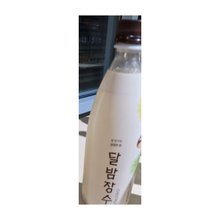
The signature liquor is Jangsoo Saeng Makgeolli, released in 1996. It is a 6% ABV takju brewed from 90% white rice and 10% isomaltooligosaccharide, described as containing live yeast and made by aging white rice at low temperature over a long period. The Jangsoo brand name has been used since 1996; before that, names such as Seoul Takju, Seoul Makgeolli and Seoul Dongdongju were used. Until restrictions on supplying takju outside its region were lifted in 2001, Jangsoo Makgeolli was the only makgeolli brand distributed in Seoul.
The domestic-rice Jangsoo Saeng Makgeolli, made with Korean rice, is said to contain more than 75 billion boulardii yeast cells per bottle. The pasteurized takju line started in 1996 with a carbonated canned rice makgeolli with a 12-month shelf life, and continued with Wolmae Rice Makgeolli in a 1,000 ml heat- and pressure-resistant PET bottle and the 350 ml Wolmae canned makgeolli for younger drinkers and export.
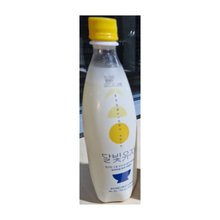
There are also makgeolli with added ingredients. The first flavored makgeolli, Jang Hongsam (Red Ginseng) Makgeolli, came out in 2012 with six-year-old red ginseng; Dalbit Yuja was released in 2020, and in 2023 the association signed a business agreement with Goheung County. In 2025 it released the 4% ABV Teazen Kombucha-ju Lemon with Teazen, using a 480 ml PET container for the first time.
Recognition
Jangsoo Saeng Makgeolli was selected at the 2007 traditional liquor competition hosted by the National Tax Service, and Wolmae Rice Makgeolli in 2008 and Dalbit Yuja in 2023 were named among the Top 10 Excellent Rice-Processed Foods by the Korea Rice Processed Food Association. In 2018 it received a Presidential Commendation for contributing to stronger agricultural competitiveness.
At the Korea Liquor Awards, the domestic-rice Jangsoo Saeng Makgeolli won the grand prize in 2020, and in 2024 it won the grand prizes in the general takju (Jangsoo Makgeolli) and pasteurized takju (Dalbit Yuja) categories. For being an early adopter of colorless PET bottles and the Eco Tap cap, it received a Minister of Environment Commendation in 2022 and, in 2023, the Award of the Chair of the National Assembly's Agriculture, Food, Rural Affairs, Oceans and Fisheries Committee at the K-ESG Management Innovation Awards.
Frequently asked questions
Where is Seoul Jangsoo makgeolli made?
It is made at Seoul's joint breweries and at the Seoul Jangsoo Co., Ltd. plant in Jincheon, North Chungcheong. According to 2022–2023 sources there are six, Guro, Gangdong, Seobu, Dobong, Seongdong and Taereung, while the official website lists five. The Jincheon plant makes the pasteurized takju Wolmae from 100% Korean rice.
What is the ABV of Jangsoo Saeng Makgeolli?
It is a takju at 6% ABV, sold in a 750 ml PET bottle. It is made from 90% white rice and 10% isomaltooligosaccharide, with the white rice aged at low temperature over a long period.
Why is the shelf life so short?
Because it is saeng makgeolli with its yeast still alive. According to 2025 reports, all the liquor brewed early each morning is bottled and shipped the same day, and the association keeps to the principles of printing the production date and a 14-day shelf life. It is delivered nationwide through a refrigerated distribution network.
Since when has the Jangsoo name been used?
The Jangsoo brand has been used since 1996, and Jangsoo Saeng Makgeolli was released that same year. Before that, names such as Seoul Takju, Seoul Makgeolli and Seoul Dongdongju were used.
Can I visit or tour the brewery?
The official website has no information on tours or experience programs. The headquarters are on the 3rd floor of the Oil Building, 25 Mangwon-ro, Mapo-gu, Seoul (from Exit 1 of Mangwon Station on Line 6, take village bus 9 and get off at the last stop), and inquiries can be made to the customer service center at 02-3141-9453.
16 sources · fact-checked 2026-11-22
- 서울탁주제조협회 공식 · 협회소개
- 한국민족문화대백과사전(한국학중앙연구원) · 서울탁주제조협회
- 서울탁주제조협회 공식 · 연혁
- 뉴시스 · 61년 역사 '서울장수'…K막걸리 트렌드 주도 [장수브랜드 탄생비화] (2023-05-21)
- 서울탁주제조협회 공식 · 회원사 제조장
- 서울탁주제조협회 공식 · 계열사 소개 · 서울장수주식회사
- 서울탁주제조협회 공식 · 제조공정
- 서울탁주제조협회 공식 · R&D
- 세계일보 · 1초에 6병, 매년 지구 한바퀴를 도는 신선함의 여정 (2025-10-14)
- 서울탁주제조협회 공식 · 탁주용기 변천사
- 서울탁주제조협회 공식 · 제품소개 · 장수 생막걸리
- 서울탁주제조협회 공식 · 제품소개 · 국내산 장수 생막걸리
- 서울탁주제조협회 공식 · 제품소개 · 월매 쌀막걸리
- 서울탁주제조협회 공식 · 제품소개 · 월매 캔막걸리
- 세계일보 · “콤부차와 막걸리가 만났다”…서울장수, ‘티젠 콤부차주 레몬’ 출시 (2025-11-12)
- 서울탁주제조협회 공식 · 찾아오시는 길
Liquors brewed here
Visit & experience
The official website has no information on tours or experiences. The headquarters are on the 3rd floor of the Oil Building, 25 Mangwon-ro, Mapo-gu, Seoul, and inquiries go to the customer service center at 02-3141-9453.
- Address
- 3F, Oil Building, 25 Mangwon-ro, Mapo-gu, Seoul
- Phone
- 02-3141-9453
- Website
- koreawine.co.kr